Austin Airbnb Photography Best Practices: Listings That Convert Browsers to Bookers
Guests browsing Airbnb in Austin are looking at dozens of listings before they choose one. Most of those decisions are made visually, in under ten seconds, before a single word of your description has been read. The cover photo is your entire argument in one frame — and in a market where the gap between a premium-performing listing and an average one is often the photography, getting this right is not optional.
This isn't a minor operational detail. It's a conversion problem with a clear financial consequence. A listing with mediocre photography in Austin's competitive short-term rental market will underperform its revenue potential regardless of how well the property is managed, priced, or reviewed — because the first filter guests apply is always visual. Sora Stays treats photography as a core component of listing performance, not an afterthought, and this guide explains exactly why — and how to execute it correctly.
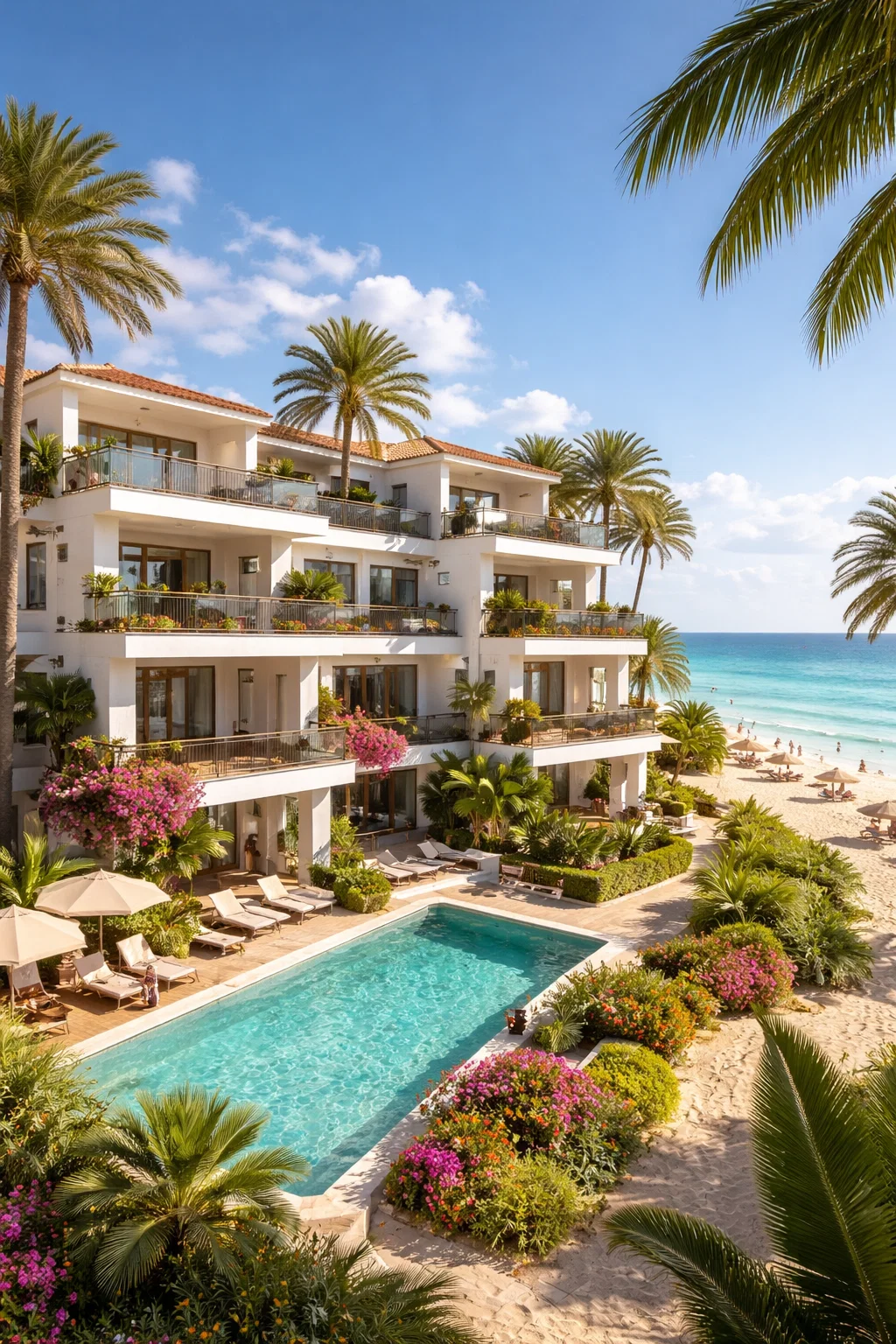
Photography Is the Highest-Leverage Listing Asset
Dynamic pricing tools — Wheelhouse, PriceLabs, and Beyond are the most widely used in the short-term rental industry — work by continuously analyzing market data to recommend nightly rates for your property. The core inputs are:
Top TLDR:
Austin Airbnb photography is the single highest-leverage visual marketing tool a host controls — because guests decide within seconds of seeing your cover photo whether to click or scroll past, and no amount of compelling copy recovers from weak images. Professional photography, thoughtful staging, and strategic photo sequencing consistently outperform DIY approaches in both click-through rate and booking conversion. Hire a professional short-term rental photographer, shoot on a bright morning with all lights on and furniture staged, and lead your gallery with the most visually impressive feature your Austin property has to offer.
Introduction
Guests browsing Airbnb in Austin are looking at dozens of listings before they choose one. Most of those decisions are made visually, in under ten seconds, before a single word of your description has been read. The cover photo is your entire argument in one frame — and in a market where the gap between a premium-performing listing and an average one is often the photography, getting this right is not optional.
This isn't a minor operational detail. It's a conversion problem with a clear financial consequence. A listing with mediocre photography in Austin's competitive short-term rental market will underperform its revenue potential regardless of how well the property is managed, priced, or reviewed — because the first filter guests apply is always visual. Sora Stays treats photography as a core component of listing performance, not an afterthought, and this guide explains exactly why — and how to execute it correctly.
Why Photography Is the Highest-Leverage Listing Asset
Before discussing technique, it's worth being precise about why photography matters more than almost any other listing variable a host controls.
Airbnb's search results display listings as a grid of photos with a nightly price. Guests scroll this grid the same way they scroll social media — fast, visually, and with very low tolerance for anything that doesn't immediately earn their attention. A listing with strong photography gets clicked. One that doesn't, doesn't — regardless of how competitive the price, how strong the review score, or how detailed the description.
Click-through rate directly affects Airbnb's algorithm. Listings that receive more clicks relative to how often they appear in search results get promoted higher in future results. This compounds over time: better photography drives more clicks, more clicks earn better placement, better placement generates more views and bookings, more bookings produce more reviews, and more reviews reinforce placement. The feedback loop starts with the photo.
Photography also shapes the perceived value of a booking before a guest ever reads the price. A property that photographs beautifully reads as premium — which supports higher rates and attracts guests who are less price-sensitive and more likely to leave positive reviews about the overall experience. This intersection of photography, perceived value, and pricing power is one of the core dynamics covered in the short-term rental pricing strategy breakdown.
The Cover Photo: Your One Shot at a First Impression
Your cover photo is the most important image in your entire listing. It needs to accomplish two things simultaneously: stop the scroll and communicate the property's best feature instantly.
In Austin's market, the cover photos that consistently perform best share common characteristics. They're shot in natural light — typically morning light, which is warmer and more flattering than harsh midday sun. They're wide-angle enough to convey space but tight enough to look intimate rather than empty. They show something visually distinctive — a pool at golden hour, a skyline view, a well-styled living room with distinctive lighting, a porch overlooking Hill Country — rather than a generic bedroom or a front elevation of the property.
What doesn't work as a cover photo: a view of the front door, a bathroom (even a beautiful one), a photo taken on a phone without staging, or anything with visible clutter, poor lighting, or an awkward crop. Guests interpret these signals immediately, and the interpretation is always the same: this host isn't invested in their property's presentation.
Test your cover photo against the actual search grid. Search for your own property type in Austin, look at the results page, and ask honestly whether your cover photo competes visually with the listings around it. If the answer is uncertain, it's no.
How Many Photos You Need — and What to Cover
Airbnb allows up to 100 photos per listing, though most high-performing listings use between 30 and 50. The right number isn't a fixed target — it's however many photos it takes to give a guest a complete, accurate, and compelling visual understanding of the property before they book.
Every room should be photographed. The core shots — living room, kitchen, every bedroom, every bathroom, outdoor spaces — are non-negotiable. But the photos that differentiate strong listings from average ones are the detail shots: the kitchen counter staged with a coffee setup, the outdoor table set for dinner, the primary bedroom with the throw pulled back to show the quality of the bedding, the bathroom vanity styled with towels folded hotel-style.
For Austin properties with distinctive features — a hot tub overlooking a canyon, a deck with downtown views, a swimming pool, a fire pit setup — those features need multiple shots at multiple times of day. An evening pool shot with string lights tells a completely different story than a flat midday shot of the same pool. Both may belong in the gallery; one shouldn't be the only version.
A complete Austin listing photo set should include:
- Cover photo (the strongest visual hook)
- Full living room from two angles
- Kitchen showing counter space, appliances, and staging
- Every bedroom (full room + close-up of the bed)
- Every bathroom
- Outdoor spaces — multiple angles and at least one lifestyle shot
- Any premium amenity (pool, hot tub, fire pit, game room, EV charger)
- Neighborhood or view context if relevant
- Detail/lifestyle shots that convey comfort and quality
Staging Your Austin Property Before the Shoot
The gap between an amateur real estate photo and a high-performing Airbnb listing photo is usually staging, not equipment. Staging is the process of preparing each room to look its best on camera — which is different from how it looks when it's comfortable and lived-in.
Before any photoshoot:
- Remove all personal items, charging cables, toiletries, and anything that breaks the visual cleanliness of a space
- Make every bed hotel-style — tight, symmetrical, with decorative pillows arranged correctly
- Set the kitchen counter with one or two intentional props (a coffee machine, a bowl of lemons, a single plant) and nothing else
- Open all blinds and curtains to maximize natural light
- Turn on every light source in the room — overhead, lamps, under-cabinet — for a warm, layered lighting effect
- Add small touches that photograph well: fresh flowers, a tray on the outdoor table, a folded throw on the couch
- Ensure the outdoor space is completely clean — no debris, no hoses visible, furniture arranged symmetrically
In Austin, outdoor staging deserves particular attention because outdoor spaces are a primary selling point for much of the year. A pool area staged with towels on the loungers and a drink on the side table converts browsers at a significantly higher rate than the same pool photographed empty and flat.
Shooting Technique: What Separates Professional Results from Amateur Ones
Even well-staged rooms photograph poorly without the right technique. The variables that matter most:
Time of day: Shoot interior rooms in the morning when natural light is soft and directional. Shoot exterior and pool shots around golden hour — the 30 to 60 minutes before sunset — when the light is warm and flattering. Avoid harsh midday light for both interiors and exteriors.
Wide-angle lens: A rectilinear wide-angle lens (typically 16mm to 24mm equivalent) shows the full context of a room without the distortion of an extreme fisheye. This is the standard tool for architectural and real estate photography and is what separates professional shots from phone photos in tight spaces.
Horizontal composition: Every room shot should be taken with the camera perfectly level and parallel to the walls. Tilted horizons read as amateur regardless of the subject.
Multiple exposures and HDR blending: Professional real estate photographers typically shoot three to five exposures per frame and blend them in post-processing to handle the contrast between bright windows and interior rooms. This is why professional photos show detail both inside the room and outside the window simultaneously — a result that's technically very difficult to achieve in a single exposure.
Post-processing: Color correction, exposure balancing, and lens distortion correction are standard in professional workflows. Photos should look accurate and inviting — not artificially brightened to the point of looking false, but not flat and dull either.
Photo Sequencing: Telling a Story That Books
The order of your photos is a narrative decision. Guests move through a gallery the way they move through a property — and the emotional arc of that journey affects booking intent.
A proven sequence for Austin Airbnb listings: open with your strongest visual hook (the cover photo carries into the gallery), move through the living spaces that establish the property's character, transition to the bedrooms where guests visualize actually staying, then the bathrooms, then the outdoor spaces and premium amenities, and close with detail and lifestyle shots that leave guests with a sense of comfort and quality.
Avoid sequencing mistakes that interrupt the narrative: a bathroom photo immediately after the cover photo, multiple similar bedroom shots back-to-back without a change of angle, outdoor shots buried in the middle of indoor rooms. Each transition in the gallery should feel like the next natural place a guest would walk in the property.
Neighborhood context photos — a shot of the nearby street, a local coffee shop, the view from a nearby landmark — can be useful for properties where location is a selling point, but they should appear late in the gallery after the property itself has been fully established. For location-specific guidance on what Austin guests are actually searching for by neighborhood, the Austin Airbnb management neighborhood-specific strategies guide covers the relevant demand patterns in detail.
DIY vs. Professional Photography: A Realistic Assessment
The honest answer: DIY phone photography rarely competes with professional results in a market as crowded as Austin. The gap isn't about the camera itself — modern smartphones take technically capable photos — it's about lens quality, lighting equipment, post-processing skill, and the experience of knowing exactly how to stage and shoot a room to maximize visual impact.
A professional short-term rental photographer in Austin typically costs $200 to $500 for a standard property shoot, delivering 40 to 60 edited images within a few days. The return on that investment, measured against improved click-through rate and booking conversion over the life of the listing, is substantial — and it's a one-time expense that pays dividends for years unless the property undergoes significant changes.
If professional photography is not immediately accessible, the most important upgrades for DIY shoots are: using the wide-angle setting on a newer phone, shooting only in natural morning light, staging meticulously before every shot, and shooting every room from multiple corners to identify the angle that works best. These changes won't match a professional result, but they produce a meaningful improvement over an unstaged, poorly lit phone photo.
The 5 Airbnb management mistakes that cost you revenue includes skipping professional photography among the most commonly repeated and most financially impactful errors hosts make — particularly in competitive markets like Austin where the visual bar is high.
How Sora Stays Handles Visual Marketing for Austin Properties
At Sora Stays, professional photography is included as a standard component of listing setup — not an optional add-on. Every property we onboard receives a professional shoot, staging guidance from our team, and a gallery sequenced specifically to maximize click-through and booking conversion in the Austin market.
We also treat listing photography as an active, ongoing asset rather than a one-time task. Seasonal updates, new amenity additions, and refresh shoots after significant property improvements are coordinated through our management workflow so the listing always reflects the property at its current best.
For hosts evaluating what a fully managed Austin listing looks like — from photography through guest communication, dynamic pricing, and five-star review management — the complete guide to Airbnb management services in Austin, TX covers the full scope, and our featured properties gallery shows the visual standard we hold across every listing we manage.
If you're ready to see what professional visual marketing combined with full-service management could do for your Austin property's performance, get started with a free revenue estimate — it takes five minutes and uses live Austin market data specific to your property type and location.
Bottom TLDR:
Austin Airbnb photography best practices center on three decisions that disproportionately drive booking conversion: a cover photo that immediately communicates your property's most compelling feature, professional-quality images shot in natural morning or golden-hour light with intentional staging, and a gallery sequence that walks guests through the property in a logical, emotionally engaging order. In Austin's crowded short-term rental market, weak photography is one of the most common and most fixable revenue drains a host faces. Book a professional short-term rental photographer for your next listing refresh — the conversion improvement typically pays for the shoot within the first additional booking it generates.
Full-Service Luxury STR Management
What We Offer:
Listing optimization across Airbnb, VRBO, and more
Professional staging and design guidance to capture attention
Dynamic pricing to stay competitive in Austin’s fast-paced market
24/7 guest communication with a hospitality-first approach
On-the-ground operations: cleaning, restocking, inspections, and maintenance
Owner reporting with clear monthly financials and performance tracking
Work with a Top-Rated Austin Airbnb Cohost
If you're searching for the best Airbnb cohost in Austin, a trusted partner for vacation rental management, or a professional solution for Airbnb property management in Austin, you've found it.
Sora Stays is built to serve discerning property owners who want maximum revenue and minimum effort.
Work with a Top-Rated Austin Airbnb Cohost
Let’s discuss how we can elevate your property and simplify your hosting experience. Reach out today and see why we’re Austin’s leading luxury short-term rental management company.
Why Choose Sora Stays as Your Airbnb Cohost in Austin?
From East Austin condos to Hill Country estates, we handle every detail of your rental with five-star precision. Our local expertise, hands-on approach, and luxury hospitality standards make us the trusted choice for vacation rental property management in Austin.
We’re more than just Airbnb cohosts—we’re strategic partners dedicated to protecting your asset, enhancing guest experience, and optimizing profitability.