How to Write an Airbnb Listing Description That Books More Guests
Key Takeaways
TL;DR: A strong Airbnb listing description combines clear benefit-focused language, smart keyword placement, and an honest snapshot of your property to convert browsers into bookers. Whether you own a cottage in Muskoka, a vineyard retreat near Niagara, or a rustic cabin in Texas Hill Country, the words you choose directly impact your occupancy rate and nightly revenue.
- Lead with your property's single strongest selling point in the first two sentences
- Use sensory and location-specific language to help guests picture their stay
- Structure your description with scannable sections guests can read quickly
- Weave in searchable keywords naturally without keyword stuffing
- Pair your description with a polished airbnb welcome book template for a five-star guest experience
Why Your Airbnb Listing Description Matters More Than You Think
Most property owners pour their energy into photography and pricing, then treat the description as an afterthought. That is a costly mistake. According to Airbnb's own hosting resources, listings with detailed, well-written descriptions consistently earn higher click-through rates and stronger booking conversion. Your description is the moment a curious browser decides whether your property feels right for their trip. It answers the unspoken questions guests carry into every search: Will I feel comfortable here? Is this worth the price? Does this match the experience I am picturing? A compelling, honest, and strategically written description answers all three before a guest ever clicks away.
Start With a Hook That Sells the Experience, Not Just the Space
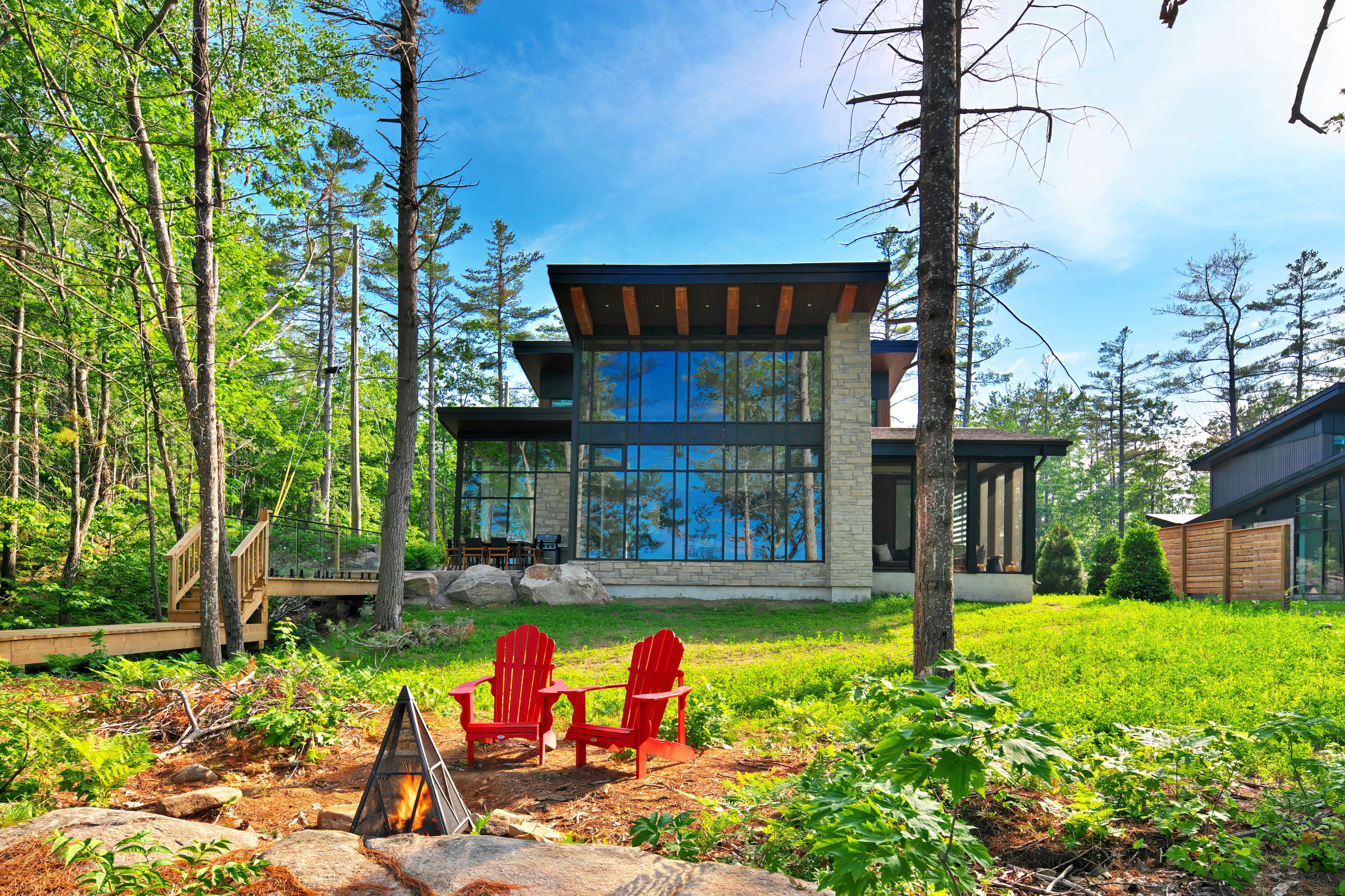
The first 150 characters of your Airbnb listing description appear in search previews before a guest clicks through. You have one sentence to earn that click. Skip generic openers like "Beautiful cottage available for rent" and replace them with something that places the guest inside the experience. Think about what makes your property genuinely different. A waterfront cabin in Port Carling is not just a cabin. It is the place where guests watch the sun rise over the lake with a coffee in hand before anyone else on the dock is awake. A Hill Country home near Hempstead is not just a house with a porch. It is the spot where Texas skies stretch wide and the nearest noise is a mockingbird. Lead with that feeling. Identify your property's single most compelling feature, whether that is a private dock, a wraparound view, a wood-burning fireplace, or walking distance to Niagara's best wineries, and build your opening sentence around it. You are selling a memory before it happens.
Structure Your Description So Guests Can Scan It Fast
Airbnb guests do not read descriptions the way they read novels. They scan. They look for confirmation that the details they care about are present before they slow down to read carefully. This means your description needs clear visual structure. Break your content into short thematic sections covering the space itself, sleeping arrangements, standout amenities, the surrounding area, and any important house rules or logistics. Use line breaks generously. Hospitable's guide to listing descriptions recommends treating each section like a mini-pitch, with the strongest detail appearing at the start of each block rather than buried at the end. For a Muskoka cottage, that might mean opening your amenities section with the private boathouse before mentioning the kitchen appliances. For a Kawarthas retreat, lead with the canoe launch or the fire pit before the WiFi speed. Prioritize what guests genuinely get excited about. Save logistics and rules for the final section so they do not dampen the mood before you have fully sold the experience.
Use Specific, Sensory Language That Builds Trust
Vague language kills bookings. Words like "cozy," "charming," and "beautiful" appear in hundreds of thousands of Airbnb listings and carry almost no meaning on their own. Specificity is what separates a listing that converts from one that gets scrolled past. Instead of "cozy living room," write "a living room with a stone fireplace, built-in bookshelves, and enough seating for ten guests to gather after a day on the water." Instead of "great location," write "a ten-minute walk to Gravenhurst's waterfront marina and five minutes from the best coffee in town." Sensory details work especially well because they activate imagination. Describe the sound of the water from the master bedroom in Huntsville. Describe the smell of cedar on the Kawarthas deck at dusk. Describe the view from the Hamilton terrace at golden hour. According to Vacation Rental Intelligence, listings that use specific descriptive language earn measurably higher guest satisfaction scores, likely because guests arrive with accurate expectations and feel the property delivered on its promise.
Incorporate Keywords Without Sounding Like a Robot
Airbnb's search algorithm reads your listing description the same way Google reads a webpage. Relevant keywords improve your visibility in search results, but forced or repetitive keyword use reads awkwardly to guests and can actually hurt your conversion rate even if it boosts impressions. The goal is natural integration. Think about what your ideal guest types into the Airbnb search bar. They might search for "Muskoka waterfront cottage," "Texas Hill Country retreat," "Niagara wine country getaway," or "pet-friendly cabin near Huntsville." Work those phrases into your description conversationally. "This four-bedroom Muskoka waterfront cottage sits on the shores of Lake Rosseau" does the keyword work without sounding robotic. G2's Airbnb SEO overview confirms that location-specific language paired with amenity keywords produces the strongest ranking results. Update your description seasonally if your property shines differently in summer versus winter, since fresh language signals to the algorithm that your listing is actively managed and relevant.
FAQs About Writing an Airbnb Listing Description
How long should an Airbnb listing description be?
Aim for 400 to 600 words total. This gives you enough space to cover the property, amenities, location, and logistics without overwhelming guests. Airbnb displays only the first few lines before a "read more" prompt, so make those opening lines count. Longer is not always better. Tight, specific writing outperforms rambling prose every time.
Should I mention house rules in the description?
Briefly, yes. Mention your most important rules, like no parties, pet policies, or noise curfews, naturally within the description so guests self-select appropriately. Save the full rule list for the dedicated house rules section in your Airbnb listing. Front-loading every restriction in the description creates a negative first impression before guests have even pictured themselves there.
What is the biggest mistake hosts make in their listing description?
Leading with logistics instead of experience. Too many hosts open with "This property sleeps eight and has three bathrooms." That tells guests what the space has, not why they should want it. Lead with the emotional payoff of the stay, then move into the practical details. Guests book feelings first and confirm logistics second.
How often should I update my Airbnb listing description?
Review and refresh your description every three to four months, or whenever you add a new amenity, make a renovation, or shift into a new season. Seasonal updates like highlighting snowshoe trails in winter or a lakeside firepit in summer keep your listing relevant and signal to Airbnb's algorithm that your property is actively maintained.
Does a good description really affect my ranking on Airbnb?
Yes. Airbnb's algorithm factors in booking conversion rates, which means a description that converts more viewers into bookings signals to the platform that your listing is high quality. Better conversion leads to higher placement in search results, which drives more views, creating a positive cycle. Strong writing is a direct investment in your listing's long-term visibility.
Can I use the same description across multiple booking platforms?
You can use the same core content but tailor the formatting and keyword approach for each platform since VRBO, Booking.com, and Airbnb have different search algorithms and guest demographics. A property management partner like Sora Stays optimizes descriptions natively for each platform so you capture the maximum audience without duplicating your own effort.
Let Sora Stays Write and Manage Your Listing for Maximum Results
Writing a high-converting Airbnb listing description takes research, skill, and ongoing refinement. At Sora Stays, our expert team handles listing optimization, smart pricing strategies, and professional copywriting for properties across Muskoka, Niagara, Texas Hill Country, Port Carling, Gravenhurst, Huntsville, Hamilton, Hempstead, and the Kawarthas. We know what guests in each market are searching for, and we build descriptions that rank high and book fast. Pair your optimized listing with a polished airbnb welcome book template and you have a guest experience that earns five-star reviews on autopilot. You focus on the investment. We handle everything else. Get a quote today and find out what your property is really worth.